
Call Us
1.888.873.8444
Info@ViableShipping.com
Mon - Fri, 8:00 AM - 4:00 PM
1.888.873.8444
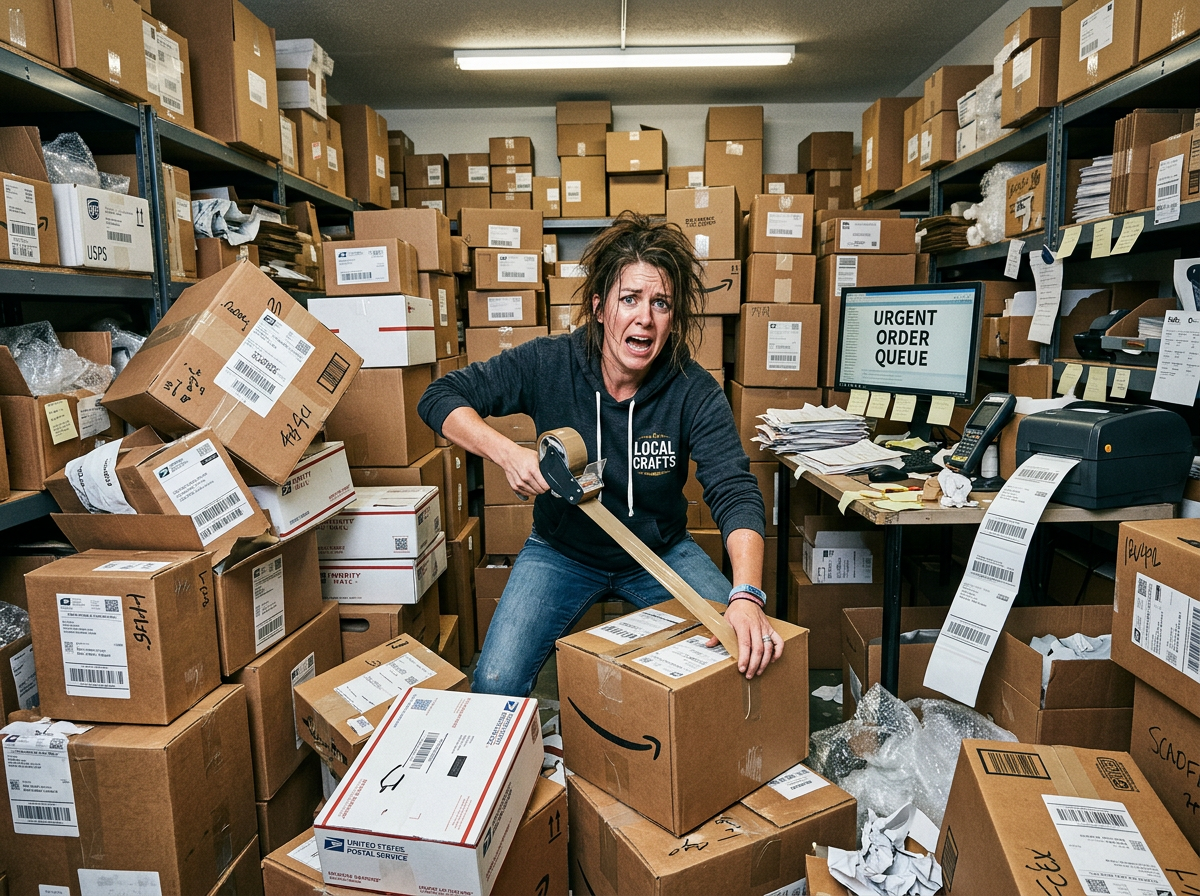
As eCommerce brands expand, fulfillment becomes trickier. What was successful by shipping a few orders every day can quickly become more challenging as orders grow. As the customer wants more and more things like managing inventory, shipping products on-demand and getting it all out when it is needed or shipping the goods are just harder. Identifying the key fulfillment challenges will allow businesses to get ready for growth and systems in place for long-term sustainable success. Here are some of the biggest fulfillment issues for growing brands in this space — and how to address them.
Running Out of Storage Space
Some brands begin with storing products in their homes or garages; others with a "small" storage unit. This works in practice but the model becomes unsustainable when sales go up. Depletion of facilities can result within the following: Disorganized inventory. Slower order processing. More chances for having lost or misplaced products.
How to solve it: Companies have a number of ways to expand their warehouse capacity, such as partnering with a fulfillment provider who has scalable storage solutions. Brands that can access professional warehousing have an avenue to carry inventory efficiently without compromising on growth.
Slower Order Processing
As order volume grows, manually taking orders means that business functions are slowed. Hitting dozens or hundreds of orders a day takes time and manpower and effort. Slow fulfillment can result in: Delayed shipments. Negative customer reviews. More inquiries from customer service.
How to solve it: Implementing streamlined fulfillment processes and warehouse management systems can enable that increase efficiency. A lot of early-stage brands rely on professional fulfillment outlets with a focus on quick pick-and-pack.
Rising Shipping Costs
Shipping costs frequently rise as businesses scale if orders need to reach the new market far away or are poorly packaged. High shipping costs can thin profit margins and make it harder for companies to provide competitive delivery alternatives.
How to solve it: Brands can save on shipping costs by:
-Optimizing packaging sizes.
-Negotiating better carrier rates.
-Distribution from central fulfillment centers.
-Strategically placed fulfillment sites can minimize the number of shipping zones and decrease overall delivery cost.
Inventory Management Issues
As product catalogs expand and order volumes increase, monitoring inventory becomes increasingly problematic. Typical issues involving inventory could include:
-Overselling products
-Stockouts
-Excess inventory
-Inaccurate inventory tracking
How to solve it: With modern systems for inventory management companies can monitor stocks in real time and keep accurate records. Automated systems also facilitate predicting demand and reordering items before inventory is depleted.
Managing Returns
Returns is a normal part of eCommerce, but for the growing brands it can be a pain in the butt from a logistics perspective. Returns can take time if there isn’t a consistent process in place and is hard to keep track of.
How to solve it: A neat returns procedure is helping to make the whole mess about it. Returns management is crucial for quickly inspecting, restocking, and processing returned items and for refunds.
Scaling Around Peak Seasons
Holiday seasons, promotions and product launches can lead to a spike in order volume. Businesses that are unprepared for these spikes could have to deal with sudden surges in order volume. This can lead to:
-Shipping delays
-Inventory shortages
-Overworked staff
How to solve it: It is essential to plan ahead for peak seasons. Businesses need to predict demand, ramp up inventory, and have the staff and systems needed to accommodate new order volumes. More brands have scalable operations to keep a check on peak season demand, and that is where fulfillment partners come in.
How a 3PL Can Help Growing Brands
Since fulfillment is getting more complex, a lot of companies are opting to sign with a third-party logistics (3PL) provider.
Faster order processing. Use discounted shipping rates. Modern inventory management systems. Scalable fulfillment operations. Logistics outsourcing empowers brands to concentrate on marketing, product development and customer experience and outsource to logistics experts to deal with the operational portion. Final Thoughts. Even though any growth is an exciting stage in the growth process, they lead to new problems in their work. The storage, shipping costs, inventory and peak load levels present challenges as brands expand. Identifying these complexities early and carrying out the proper fulfillment are ways a company can grow in a way that is not only economically viable, but a great customer service experience.
© 2024 Viable Shipping. All rights reserved.