
Call Us
1.888.873.8444
Info@ViableShipping.com
Mon - Fri, 8:00 AM - 4:00 PM
1.888.873.8444
Running a growing business is thrilling — until it isn’t. Every new order seems a victory at first. You meticulously load each box, double-check addresses, possibly even slip in a handwritten note. But when your business grows, that constant stream of orders can quickly escalate into a deluge. What used to feel manageable begins to feel overwhelming. Late nights become the norm. Mistakes creep in. And instead of concentrating on growth, you’re left scrambling to keep up. If you hear this already, you are not the only one — and more significantly, it’s time to transition to a third-party logistics provider (3PL).
The Breaking Point: When Growth Becomes a Struggle
Every product-based business comes to a point of no return in performing fulfillment in-house. And, of course, it doesn’t necessarily happen overnight. It appears, instead, in small but revealing ways:
Orders stack up faster than you are able to pack them. Your living room, garage, or warehouse is filled with inventory. Shipping errors or delays begin to get worse. More frequent complaints from customers are concerned about delivery times. You're packing boxes more than managing your business.
At this point, growth becomes burdensome rather than successful. You’re putting more effort into it than ever, but it feels unsustainable.
The Hidden Cost of Doing Everything Yourself
A lot of business owners are unwilling to outsource fulfillment: They prioritize the cost. Packing your own orders seems cheaper — though that may not always be the whole story.
Consider what you’re actually spending:
Time: Hours spent picking, packing, and shipping.
Labor: Recruiting (and/or overburdening) staff.
Space: Renting (or giving up) space for inventory.
Mistakes: Missed shipments, returns, and reshipments.
Opportunity cost: Time it would take to market, develop products, or even create partnerships.
With all the elements accounted for, in-house fulfillment usually is more expensive than you anticipate – especially with growing volume.
Signs that It’s Time to Switch to a 3PL
So what do you make of the timing for jumping in?
What a 3PL Actually Solves
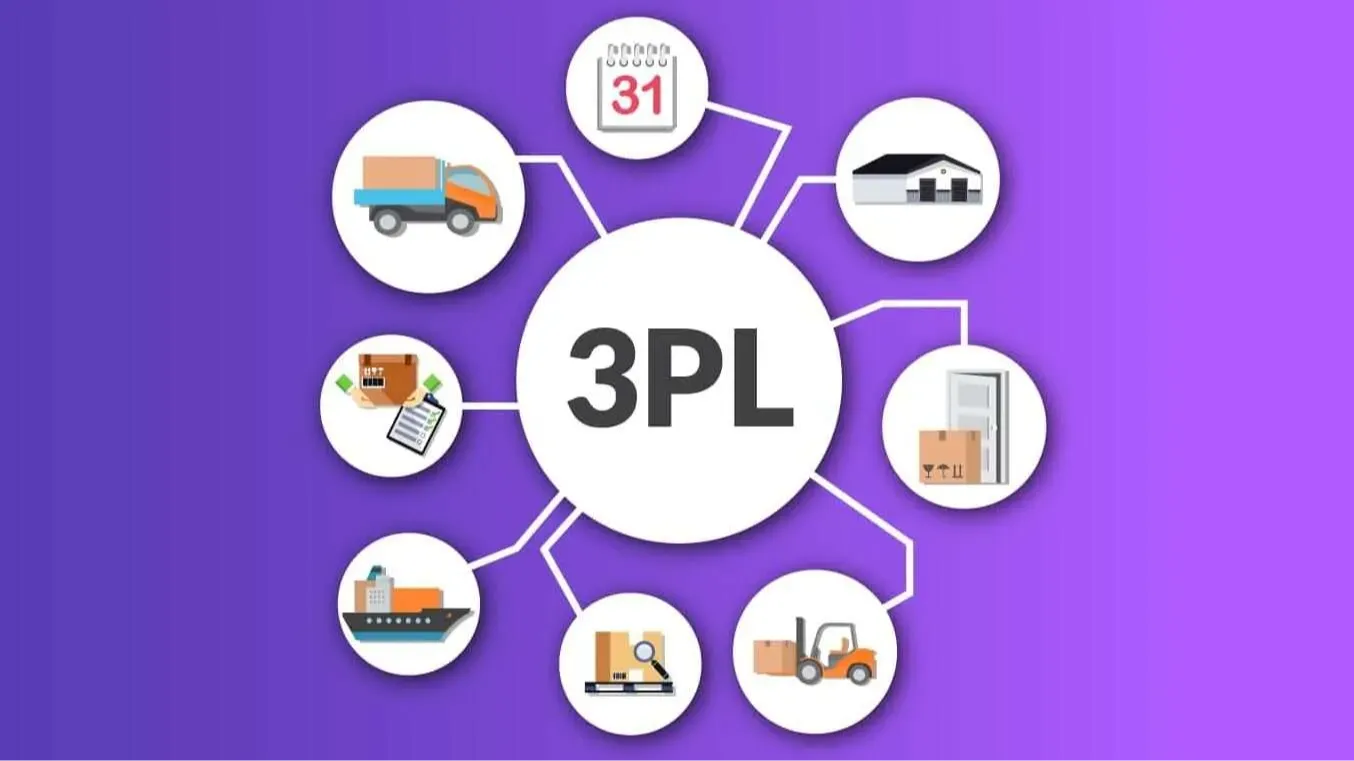
3PLs carry on the operational aspect of fulfilling orders to enable growth. In such cases, most of this will include:
Inventory storage.
Order picking and packing.
Shipping and carrier management.
Tracking and returns handling.
But more than the logistics, the real value lies in what it returns to you — time, energy, and peace of mind.
Rather than fretting whether orders were sent out on time, you can concentrate on growing your brand and scaling it, polishing or improving your products, and building customer relationships.
It’s Not Giving Up Control — It’s Gaining Leverage
The big misunderstanding about using a 3PL would be to lose control. Really, you’re doing some system upgrading. The proper 3PL partner will allow you to stay on top of your inventory and orders and relieve the manual workload. You’re still running your business — just not so buried in the day-to-day of it.
Making the Transition
Moving to a 3PL may be daunting for some companies, but it doesn’t have to be. Start by:
Reviewing your existing volume and growth trends.
Understanding your actual fulfillment costs.
Researching 3PL providers that match your size and demands.
If you’re cautious to go all in, start with part of your inventory.
The aim isn’t perfection: rather, it’s advancement.
Final Thoughts
Struggling to keep up with orders is not a sign that something’s wrong — and often it is not. Your business is growing. Demand is increasing. And you’ve reached the point where your current systems can’t continue supporting your success.
That’s not failure. That’s a turning point.
When a company switches to a 3PL isn’t something to lose — it’s about setting your business up for the next level. Because growth isn’t supposed to break you. It should build you.
© 2024 Viable Shipping. All rights reserved.